"We have a continent to learn. If we are to survive, let alone feel at home, we must begin to understand our country."
Bill Gammage - The Biggest Estate on Earth
curious landscapes
We are designers exploring regeneration on marginal NSW farmland. We hope that our journey can promote greater awareness of future opportunities for both people and nature in our regions.
contact us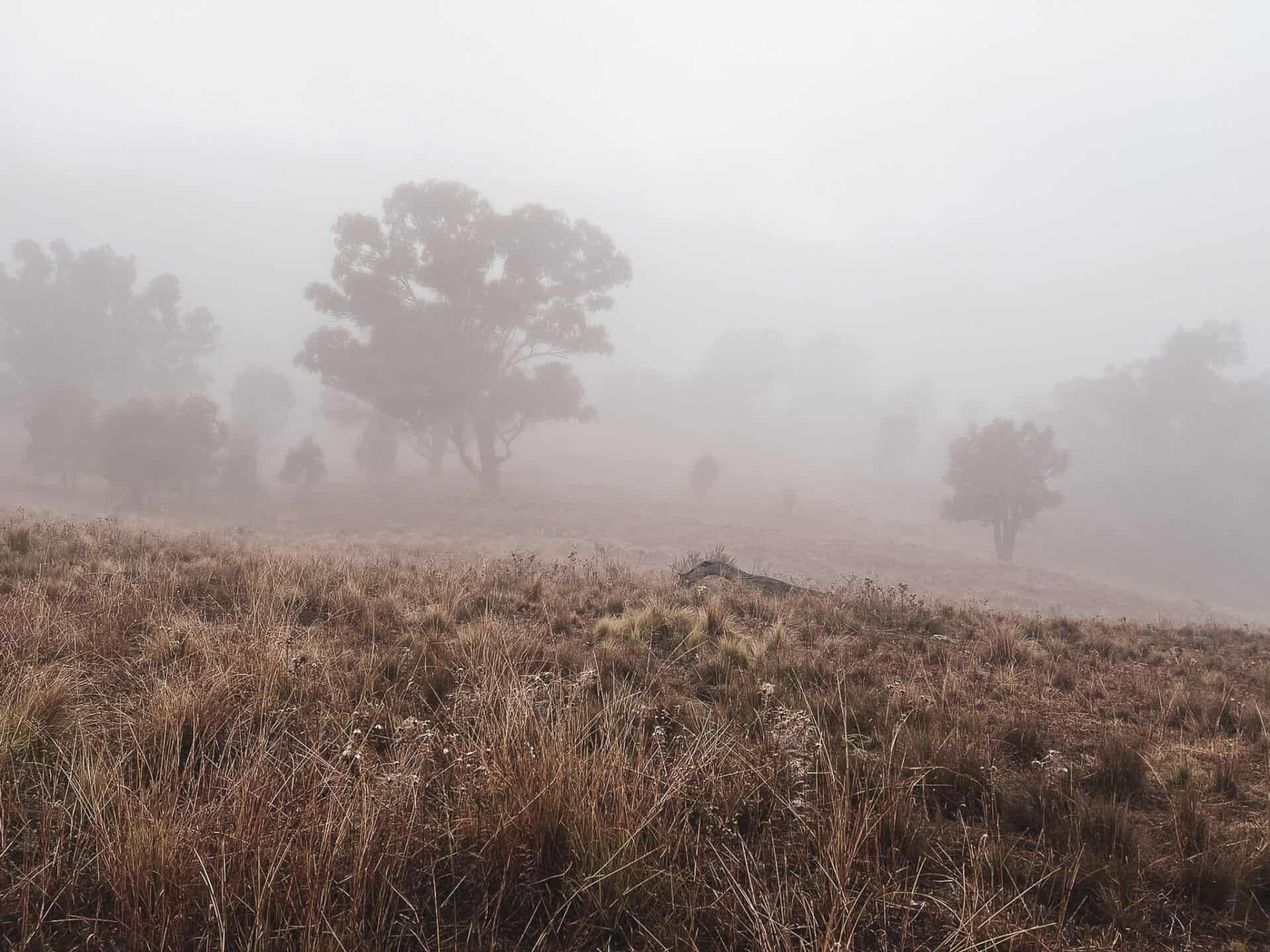
The NSW rural landscape is vast but limited in its capacity to support intensive agriculture. Great damage has been done to sensitive ecosystems, particularly along the western slopes of the Great Dividing Range.
Renewable energy zones are now redefining concepts of productivity and injecting new investment in regional NSW. As we face the twin crises of climate change and biodiversity loss can these sites do more?
land capability
Over 60% of NSW land face limitations, such as low rainfall, steep terrain, or poor-quality soils, restricting its productivity and creating fragile ecosystems vulnerable to the impacts of agricultural activity.
marginal farmlands
Driven by early colonial settlement and public policy seeking to ‘improve’ land for rural productivity, there are now many of these vulnerable landscapes that have been heavily impacted through decades of land clearing, weed invasion, and over grazing.
These marginal farmlands are often seen as low-grade land with limited intrinsic value. Good for little more than raising sheep. Over time these sites have often developed as forgotten farmlands, the domain of the hobby farmer, the hunter or rural weekender.
slopes of the Great Dividing Range
In NSW along the slopes and challenging terrain of the Great Dividing Range there are large tracts of these landscapes, sparsely populated, with limited formal activity.
land clearing and biodiversity
Clearing of native vegetation, and the destruction of habitat that is associated with it has been identified as the single greatest threat to biodiversity in NSW.
It has been estimated that between 1788 and 1921, 35.3 million ha of native vegetation (44% of the State) were ring-barked and partially cleared. Clearing was most intensive on the Western Slopes, Central Plains and in the Riverina. In many of these regions, less than 10% of vegetation remains.
renewable energy
As NSW plans its green energy transition, several renewable energy zones have been identified, with the Central West Orana zone the first under development.
The zones are becoming the focus for the investment, planning and delivery of new renewable energy infrastructure such as wind farms, solar farms, batteries, and transmission lines.
The premise of these zones is to ‘capitalise on the economies of scale to deliver cheap and reliable electricity to households’.
This shift in land-use priorities and the scale of infrastructure to be delivered means these landscapes are once again facing significant change.
biodiversity a shared opportunity
Current NSW biodiversity funding and practice is focused on conservation, in many cases, managing what little is left or simply attempting to limit further clearing.
The competition between agriculture and biodiversity has often been a contentious issue for many on both sides. Biodiversity is not often considered an economically viable land use outcome for individual land holders.
As renewable energy zones support a low carbon future, they could also enable greater local environmental regeneration.
Many of the forgotten, degraded rural landscapes that these projects sit within have limited agricultural output. If renewable energy projects can provide new income opportunities that co-exist with biodiversity outcomes this could reduce the demand for agricultural production on these landscapes.
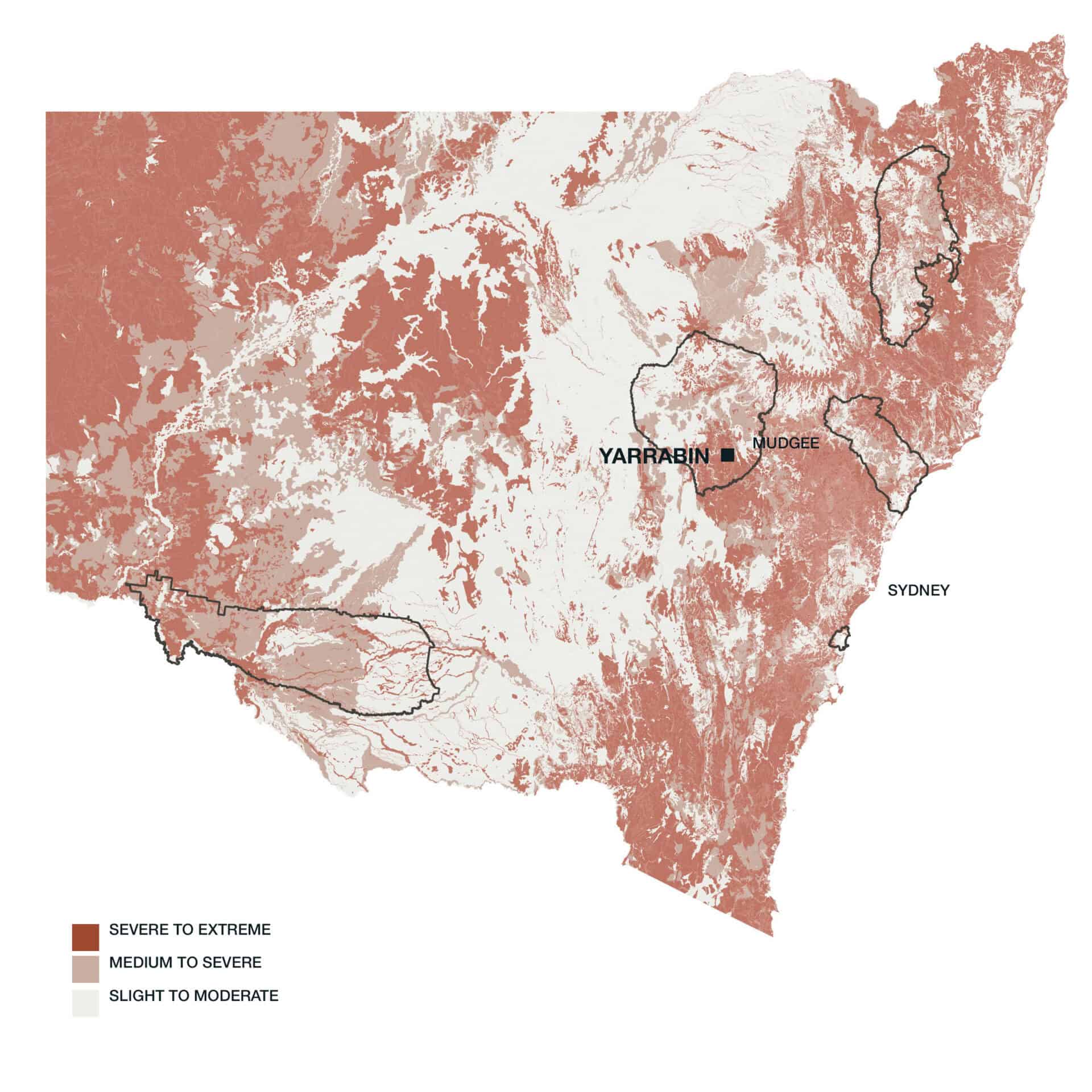
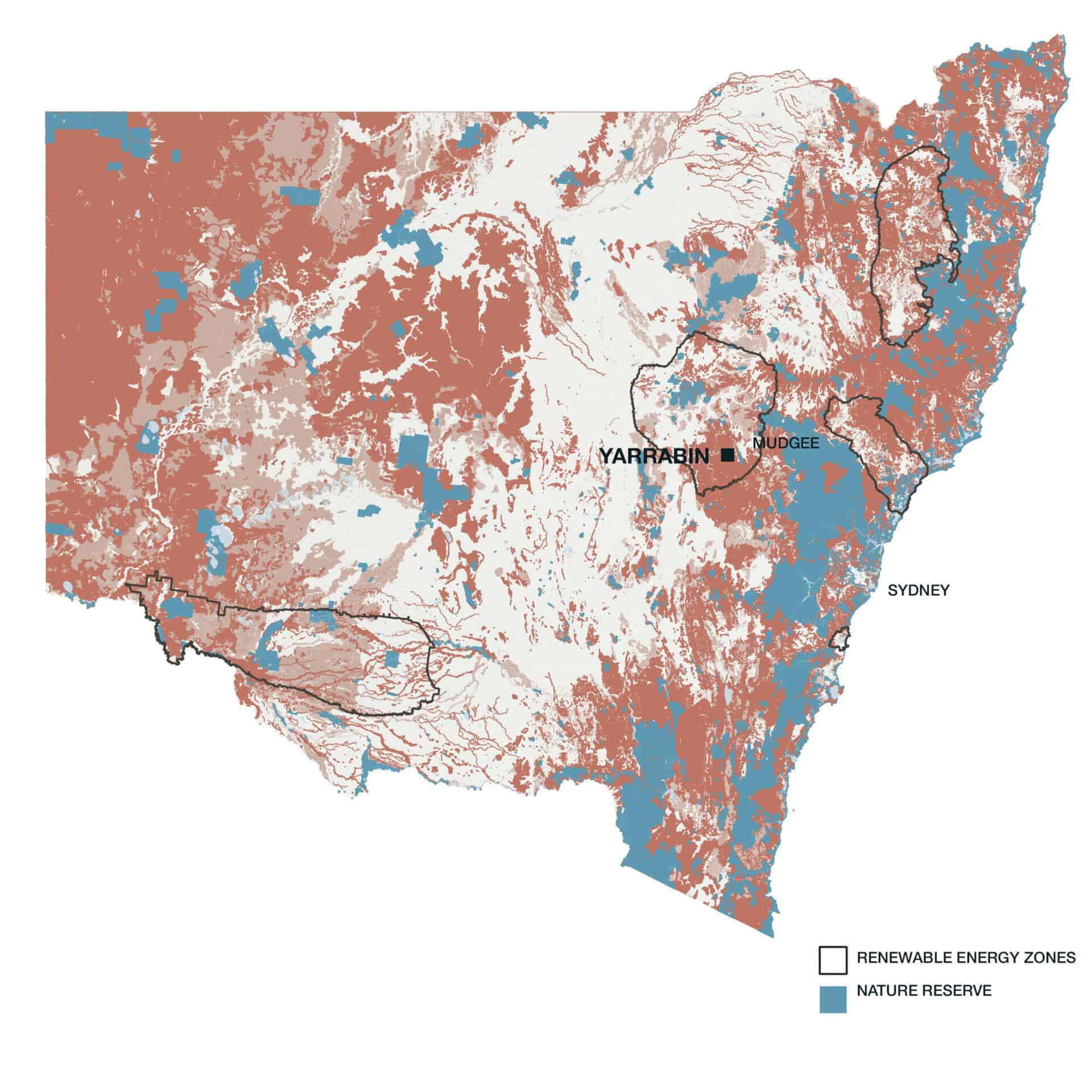
Soil limitations and renewable energy zones - NSW land capability mapping, 2020
landscape experience design
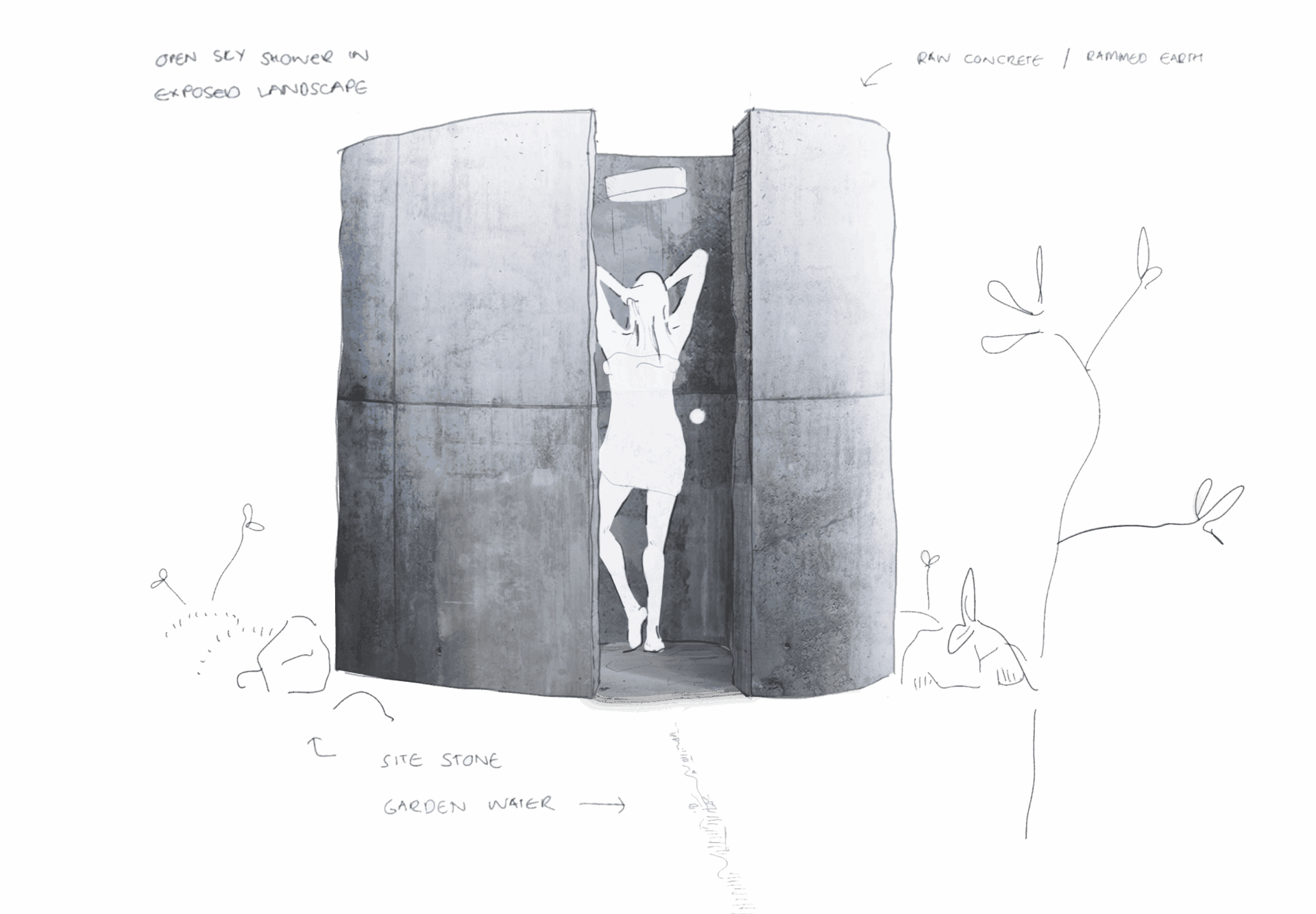
Can a plan for nature begin with design for people?
We see design as a catalyst for rethinking and promoting new human-nature relationships.
The transition of our regional landscapes are an opportunity for greater design engagement. Landscapes that exist largely unseen to the urban residents that they service.
Can opportunities to experience these landscapes also support their ecological recovery?
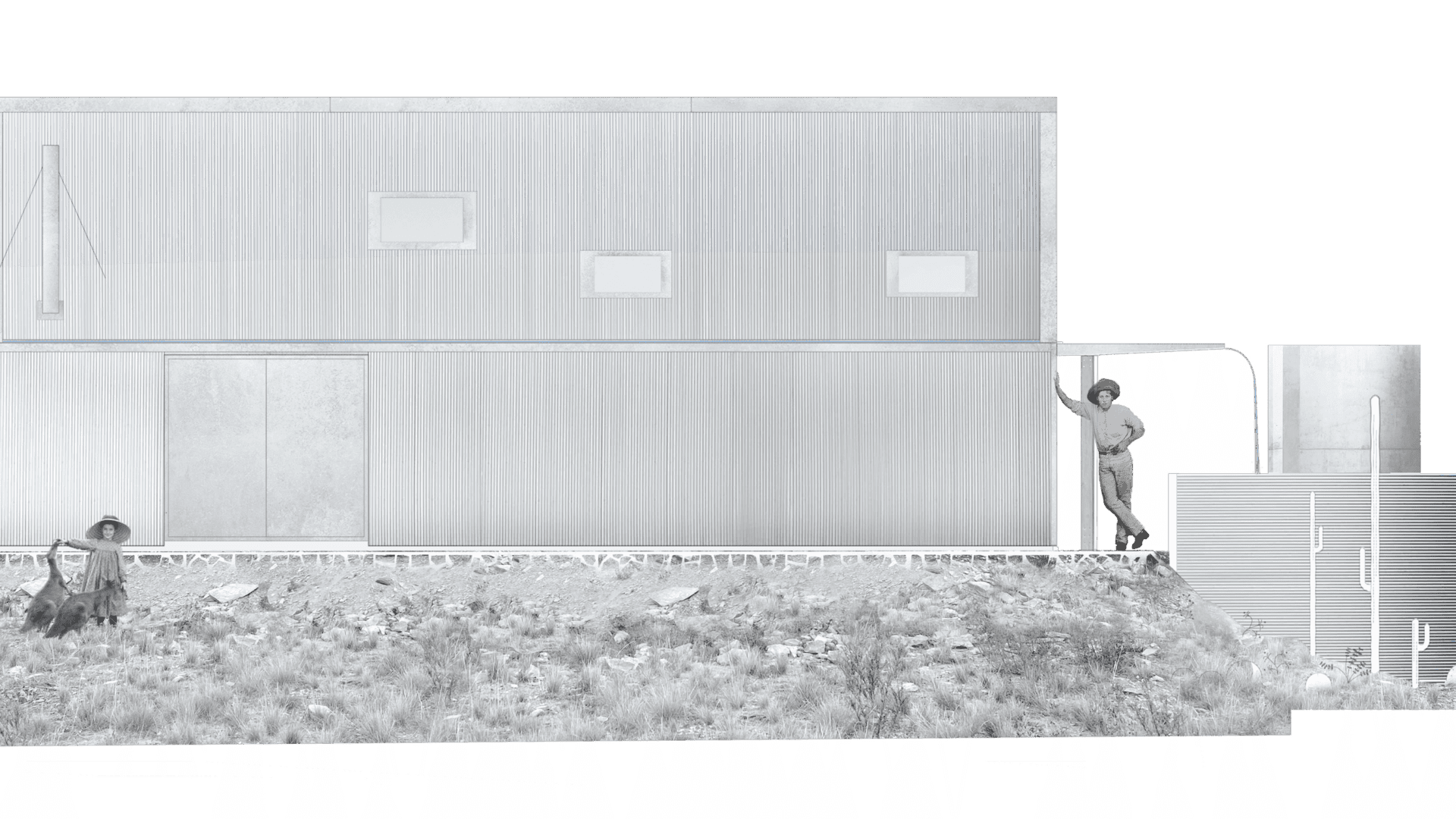
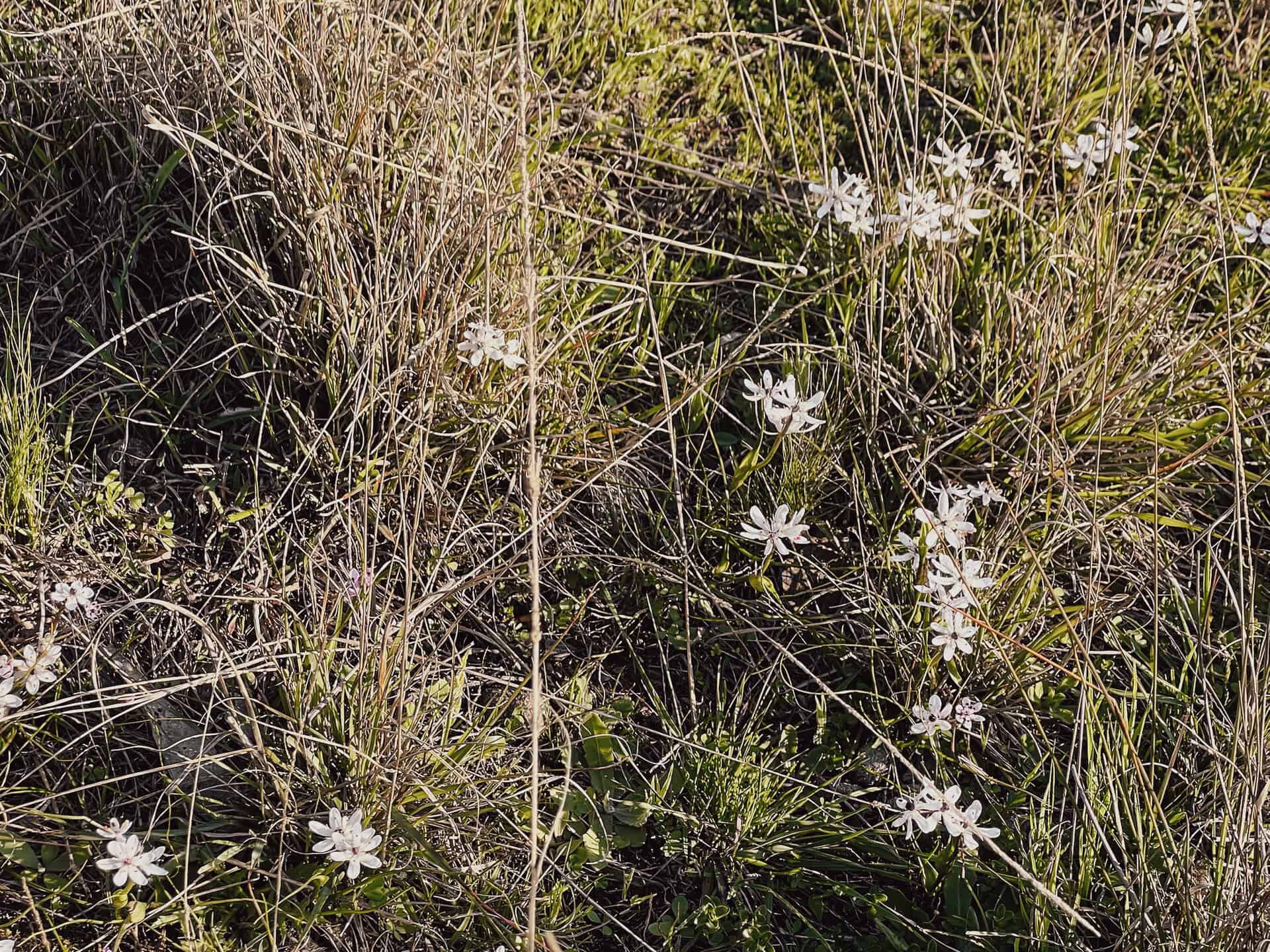
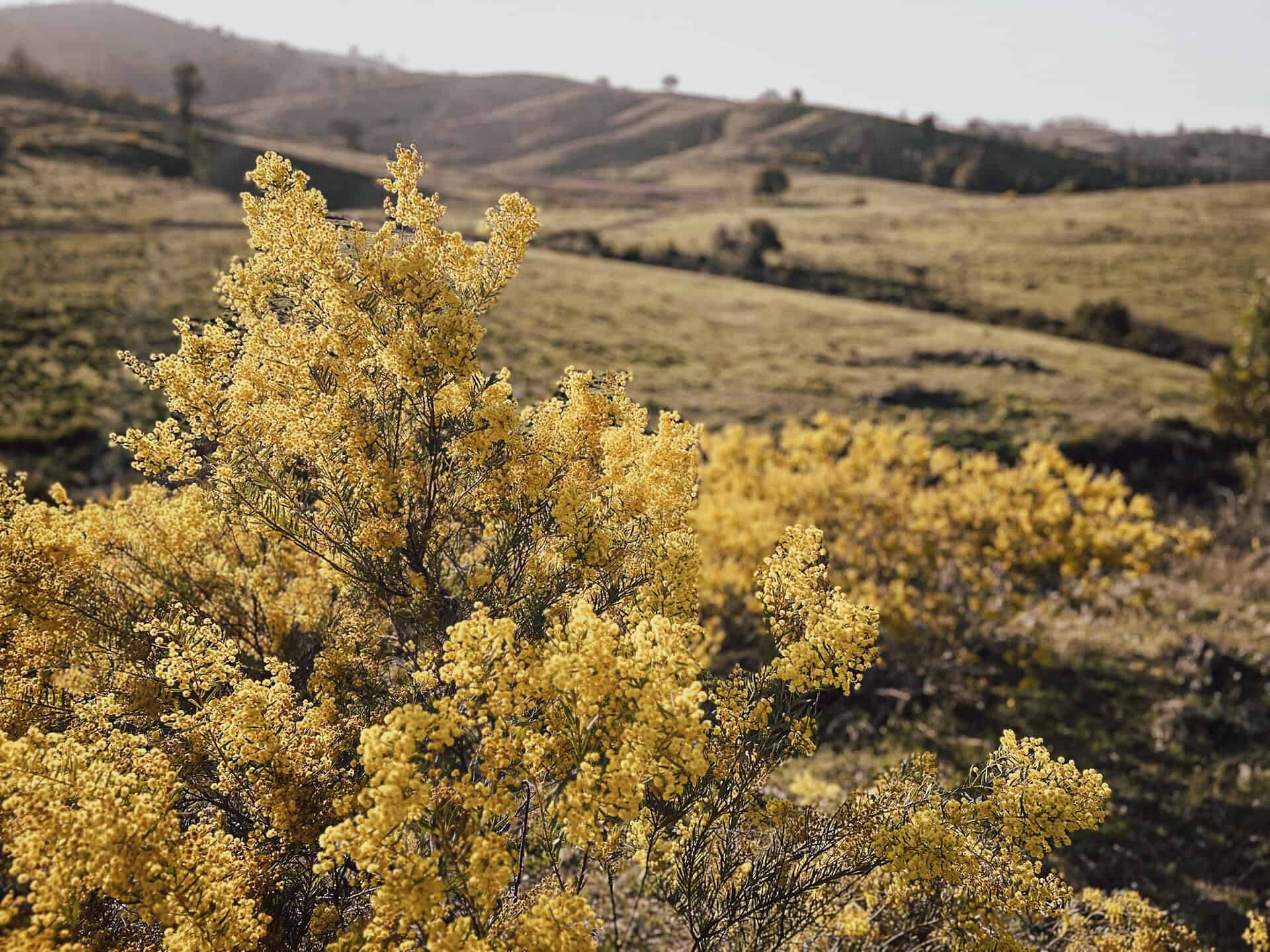
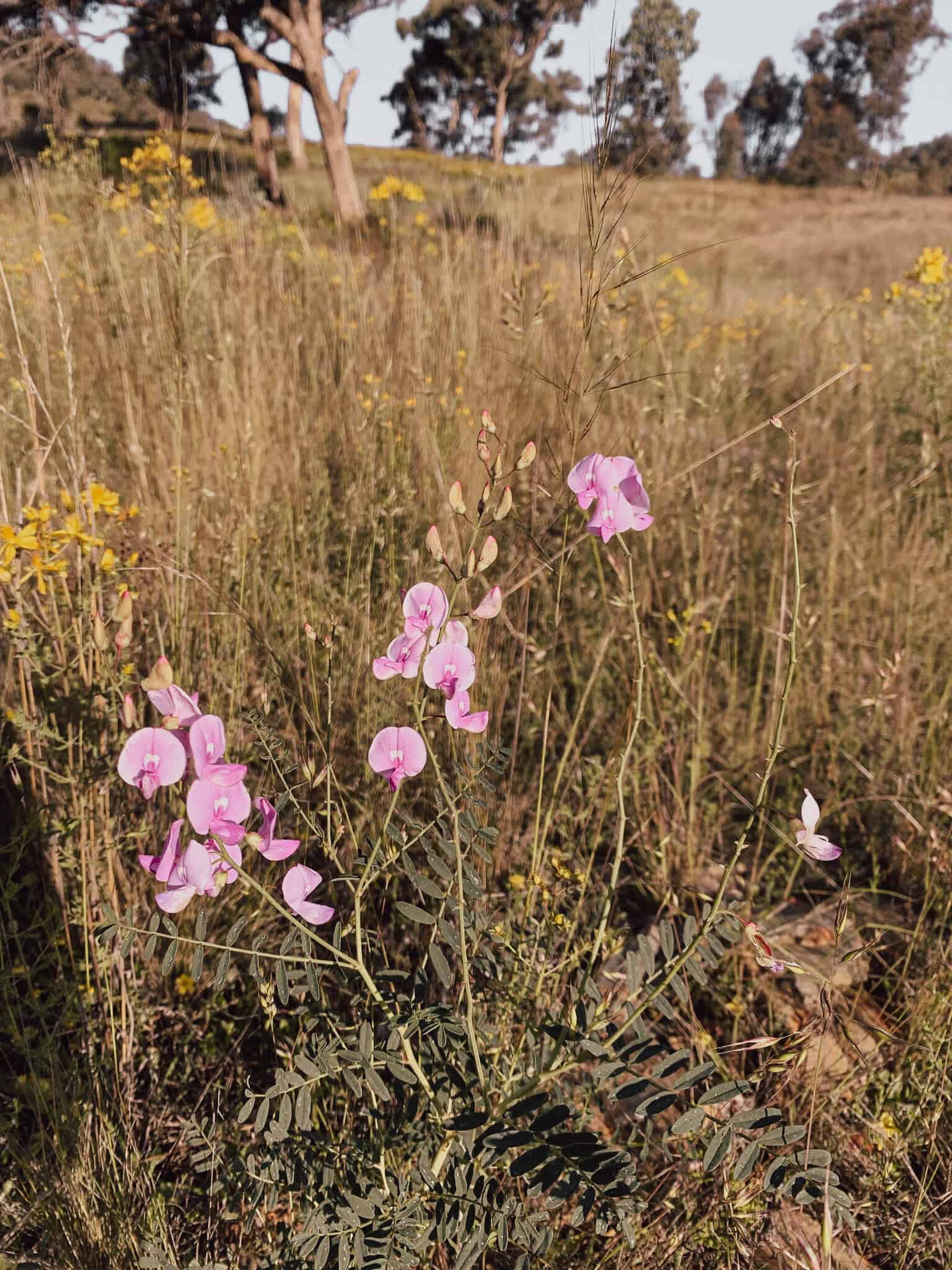
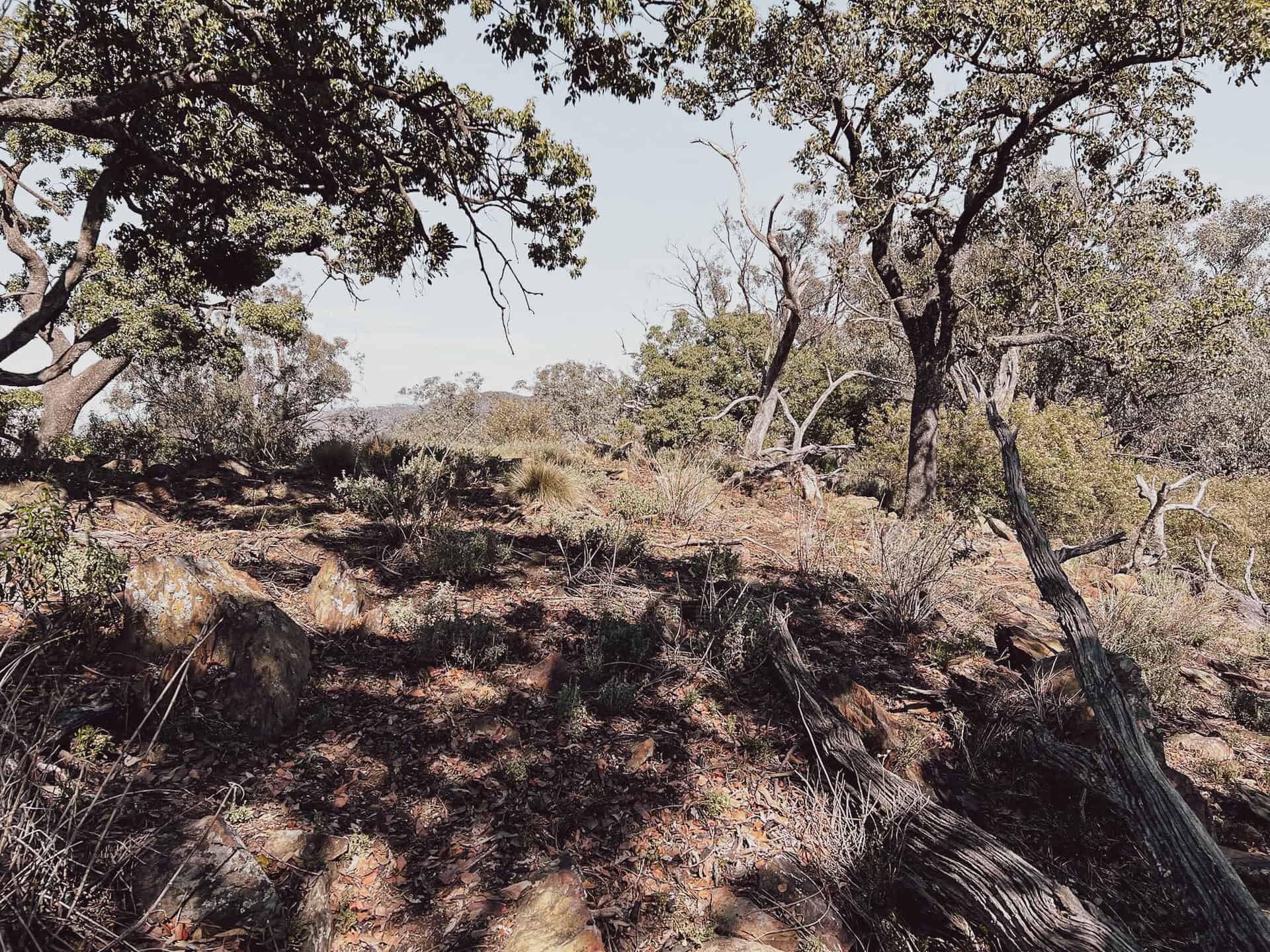
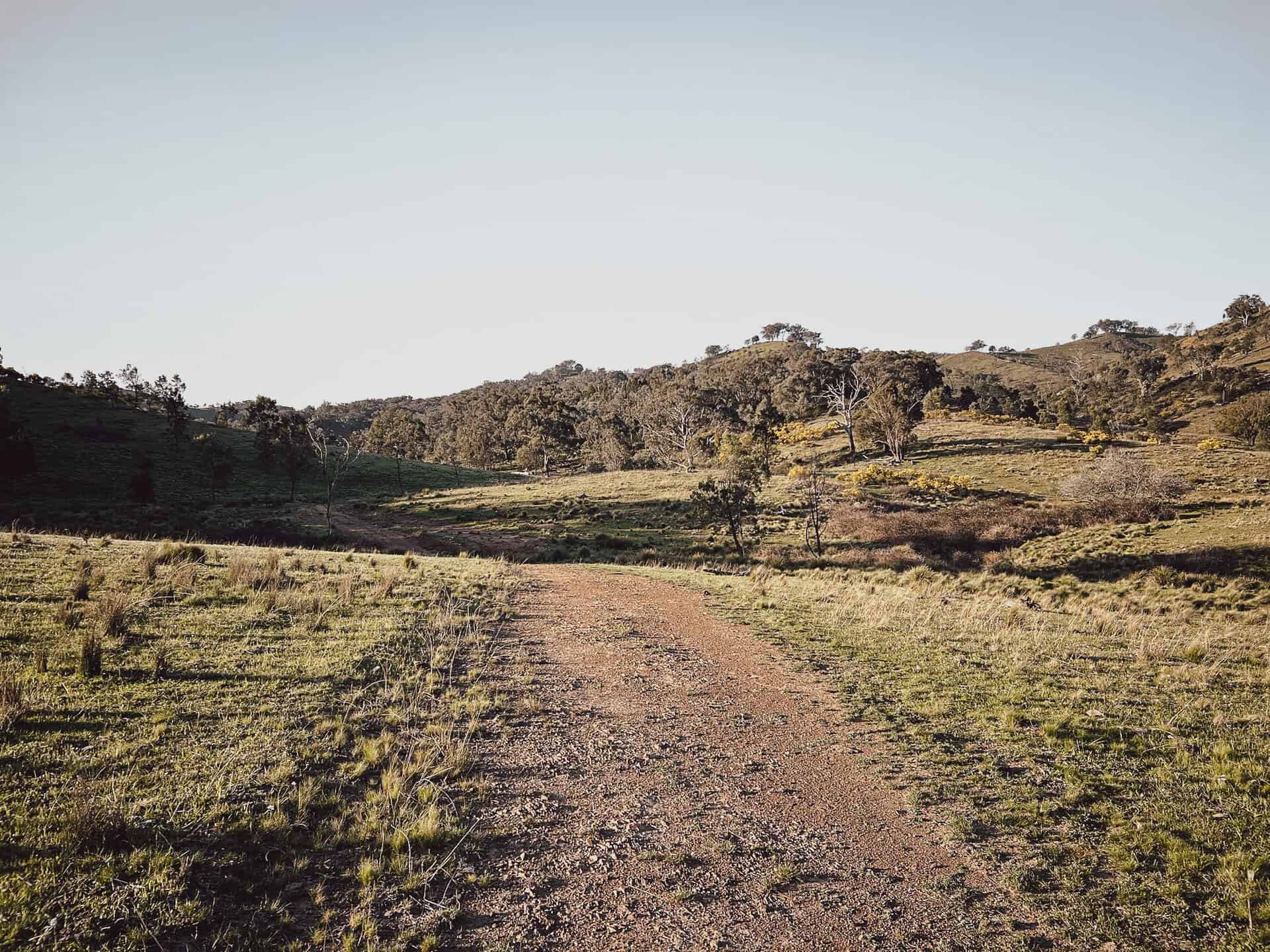
wambal wambala
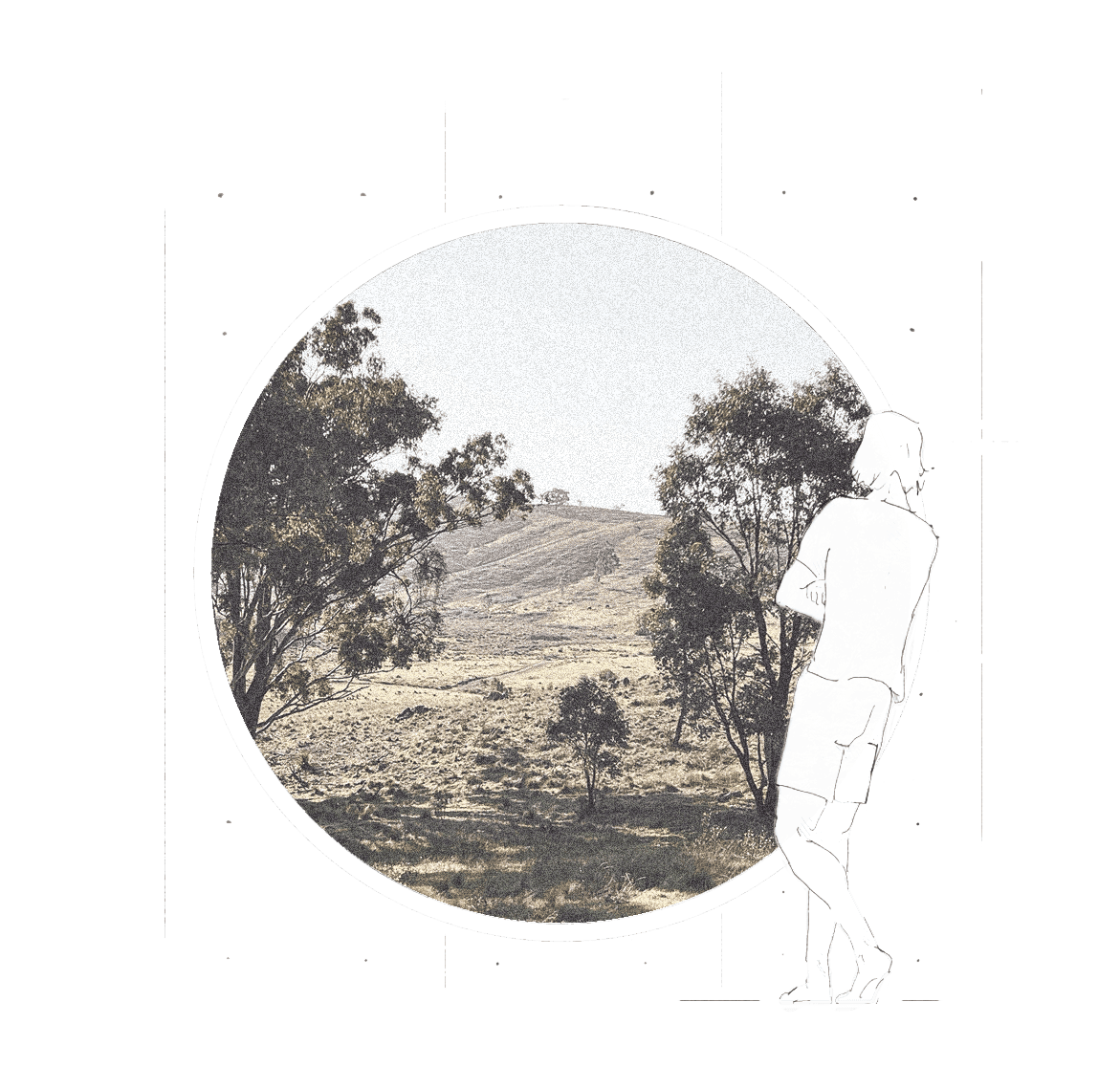
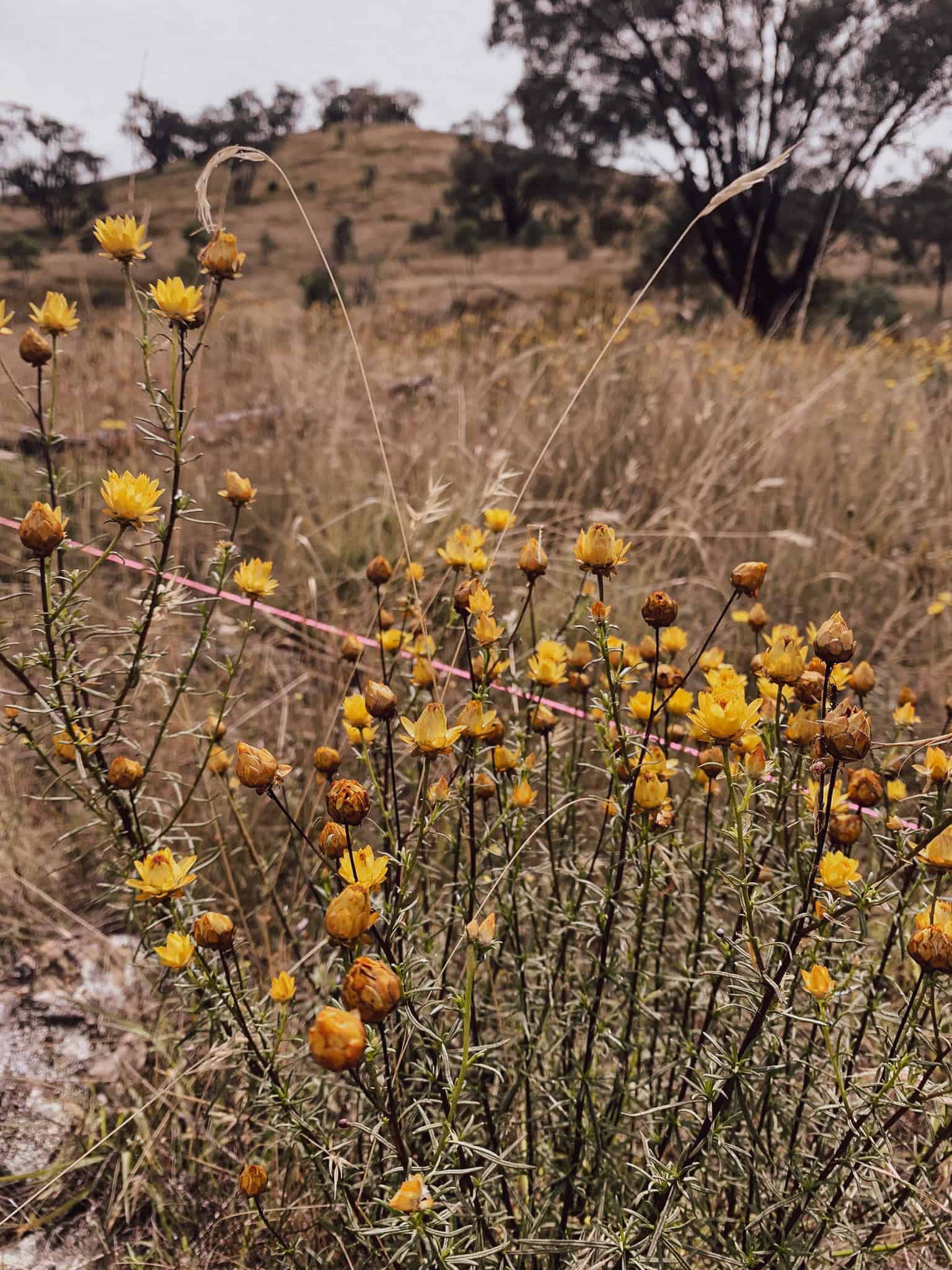
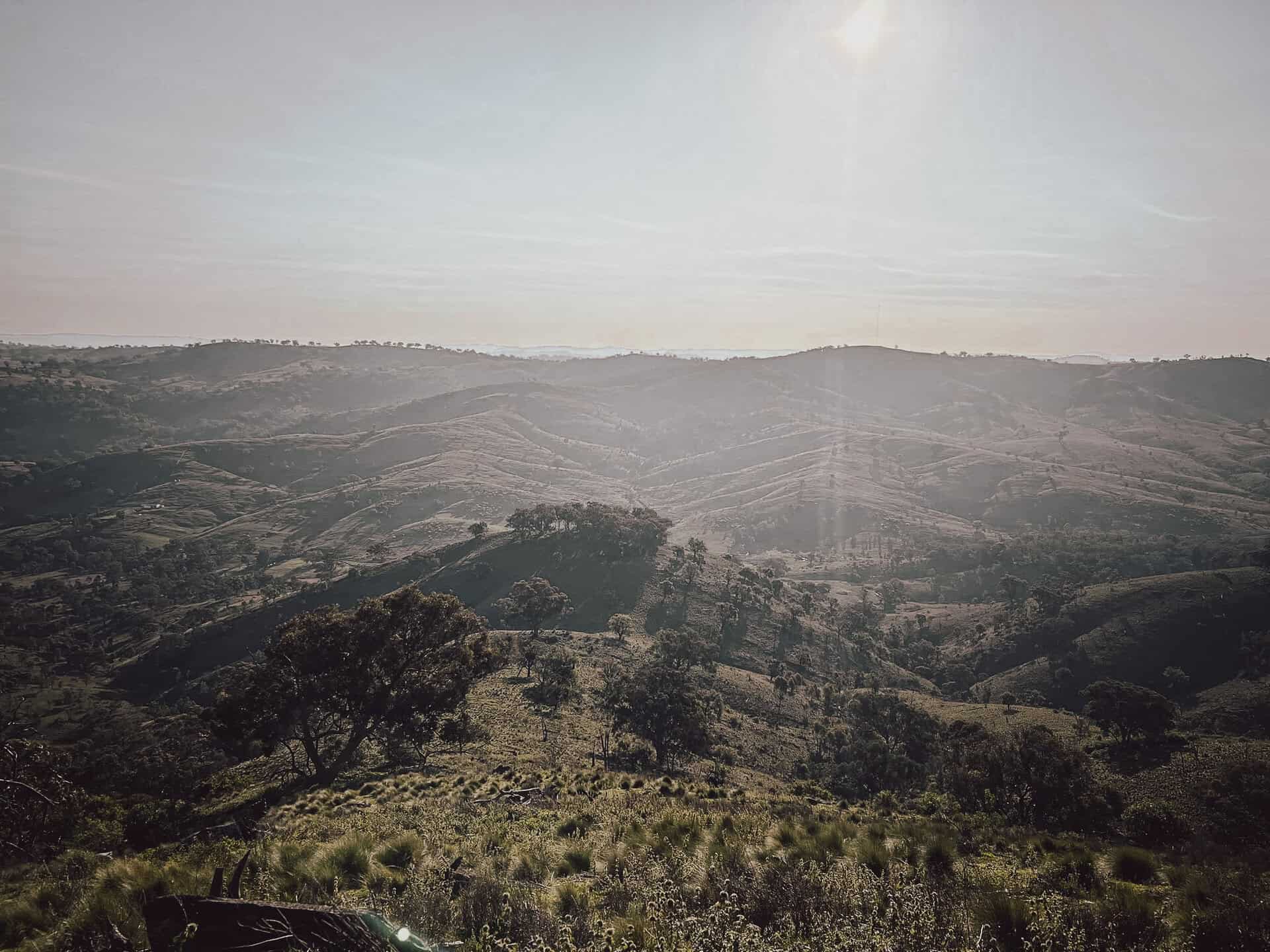
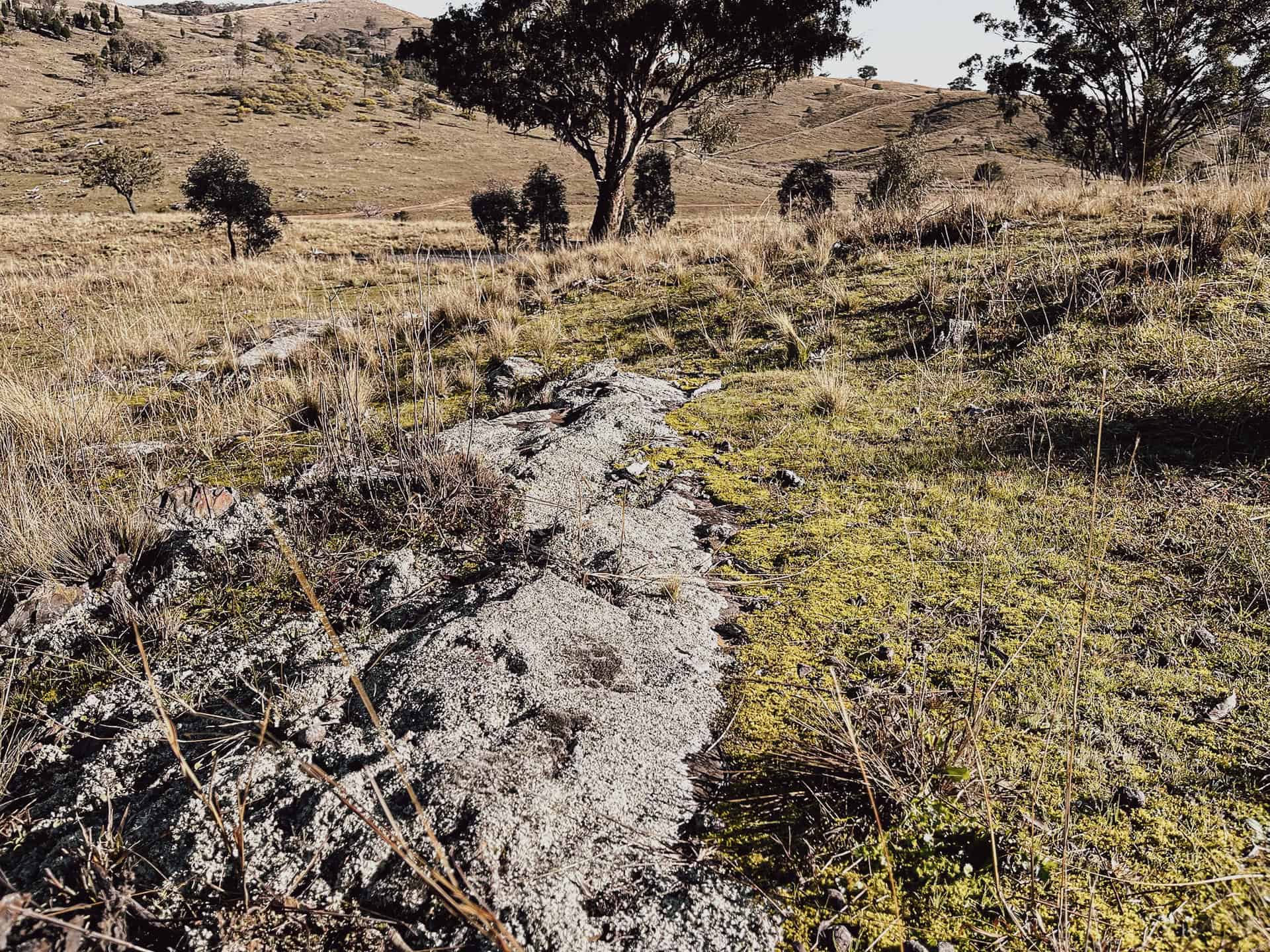
700 acres once part of an expansive sheep station in the hills of the Cudgegong River around Yarrabin. A rugged landscape 15 mins from the picturesque centre of Mudgee valley.
Once extensively cleared to encourage grass for grazing these marginal hills provides the foundation for our design and regeneration journey.
projects
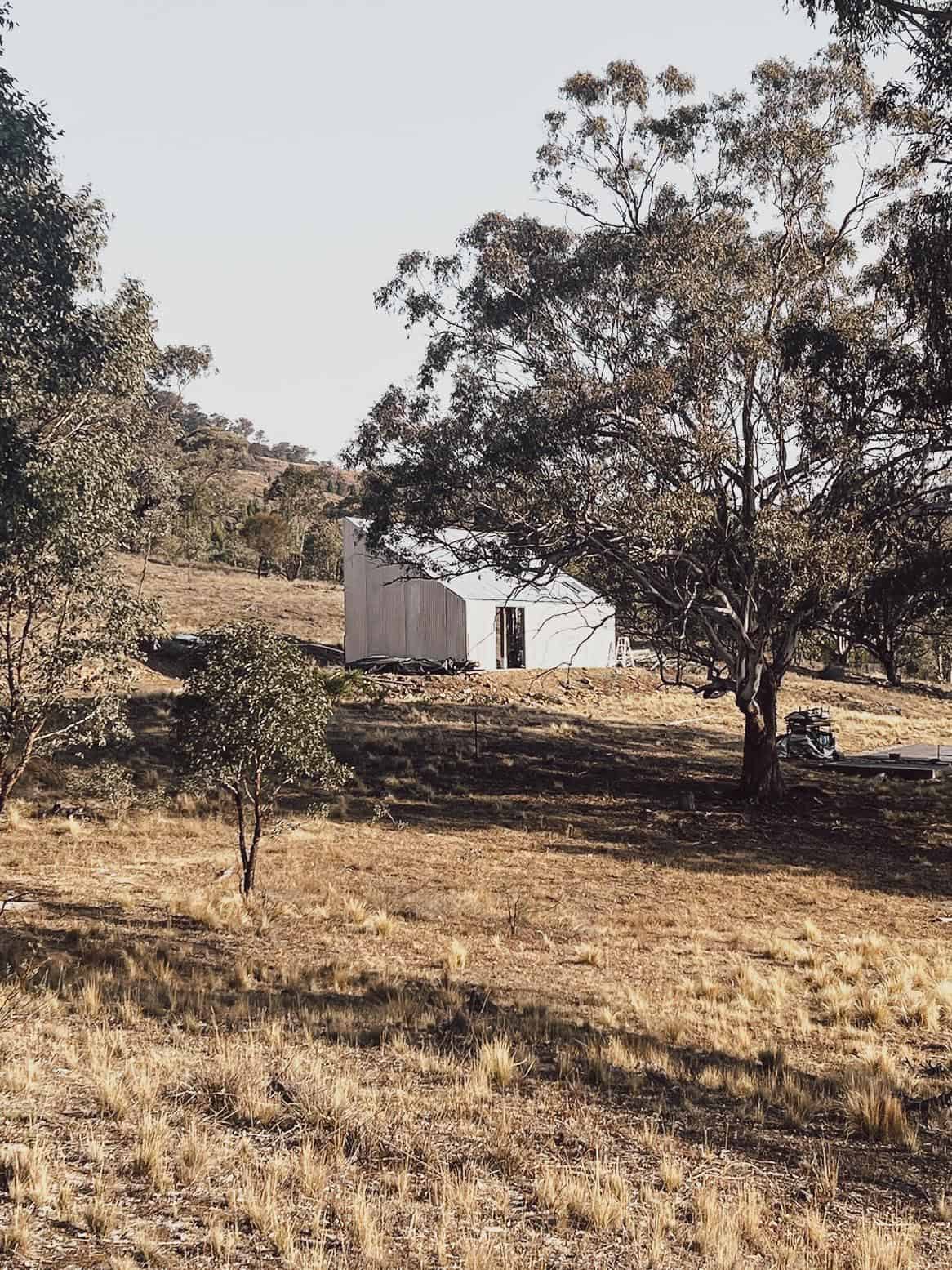
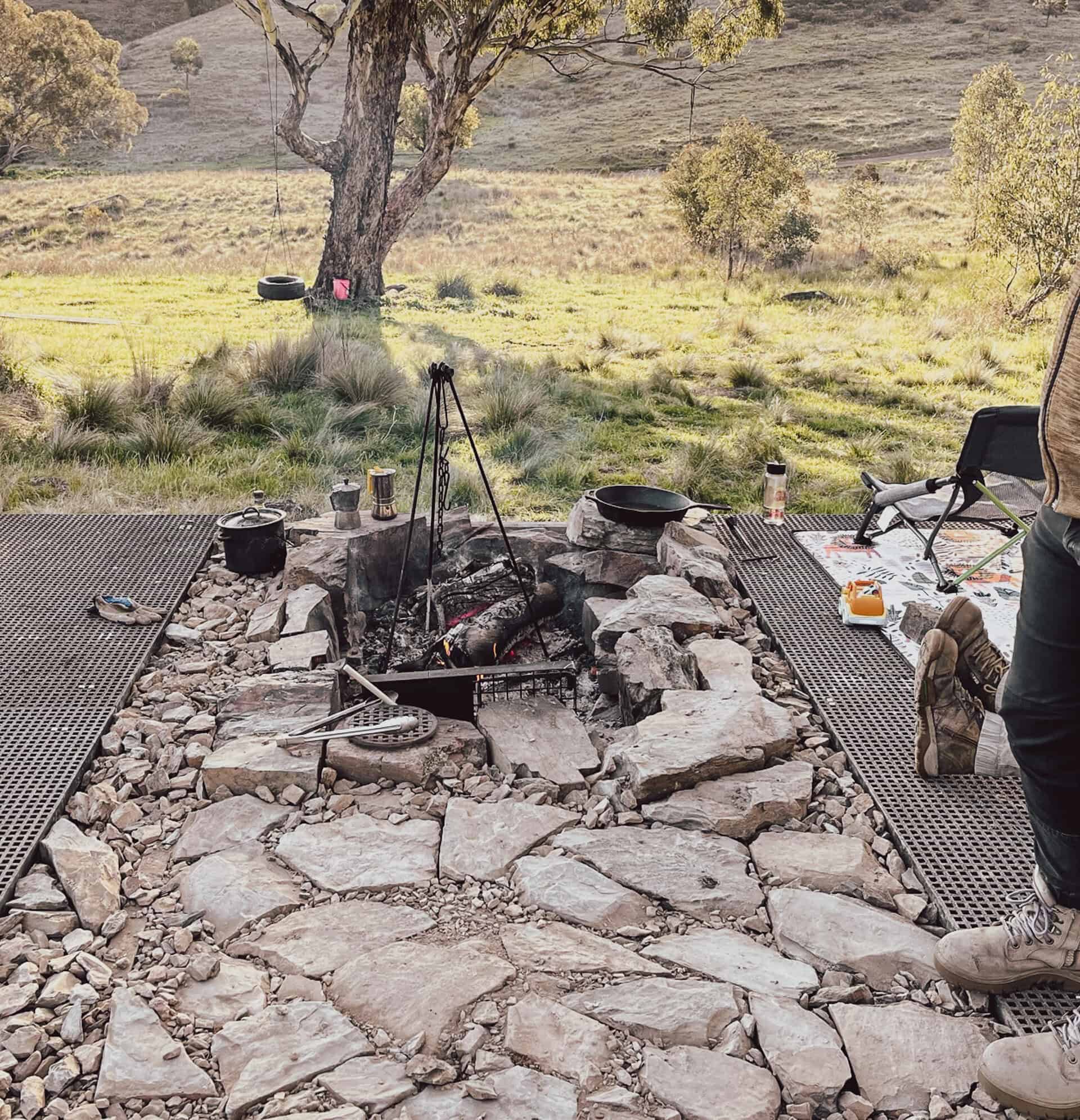
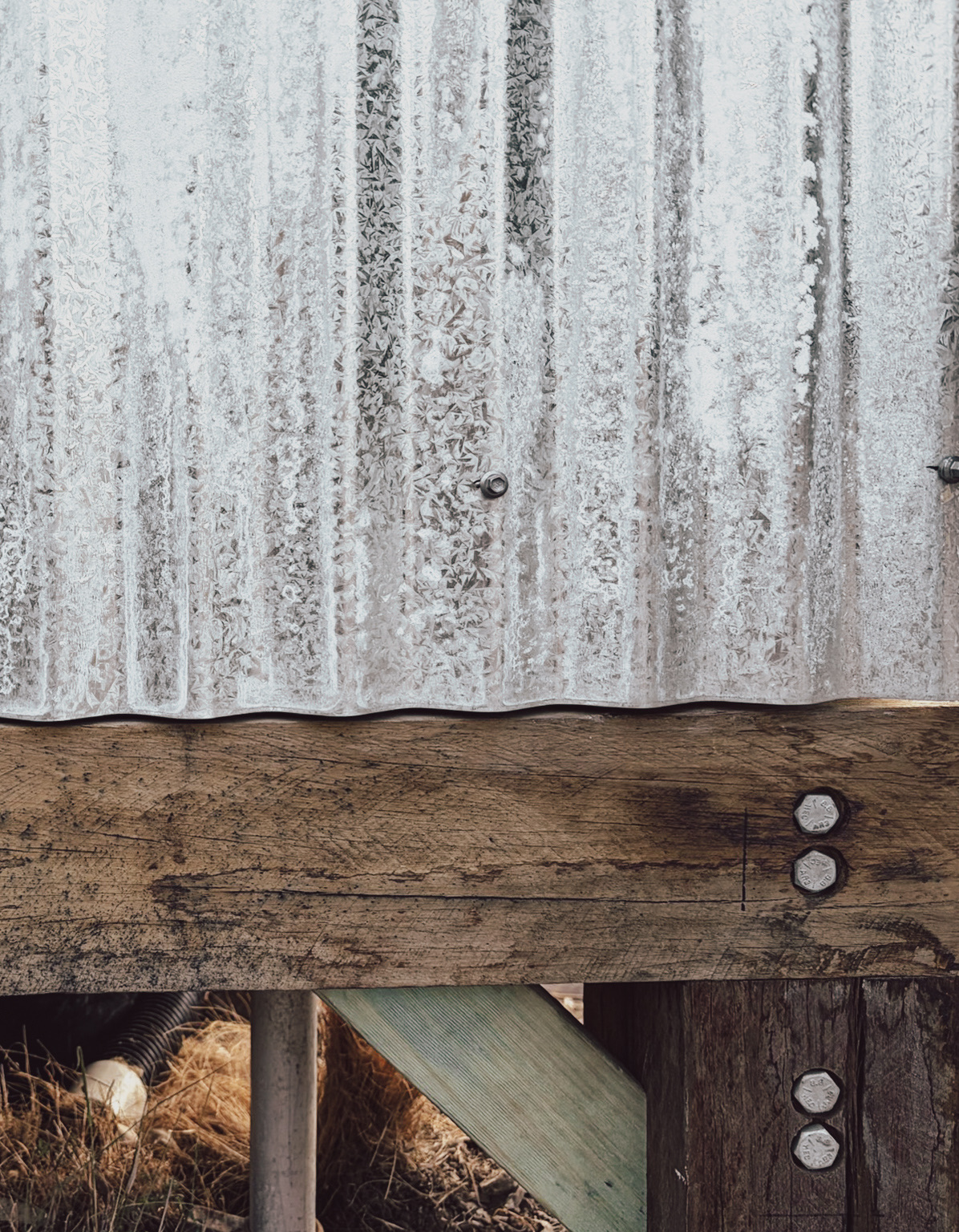


Founded in 2022 we are a partnership with a shared interest in environmental restoration and rural land management.